Treating illnesses once they have emerged is the norm in medicine. Yet many diseases develop over years: cells undergo changes long before symptoms appear or conventional tests reveal any abnormality. But what if these processes could be detected earlier - and perhaps even halted?
This is precisely the focus of the Einstein Center for Early Disease Interception (EC-EDI) in Berlin. Funded by the Einstein Foundation Berlin with €6 million over six years since January 2026, the centre brings together twelve institutions, including Charité - Universitätsmedizin Berlin, the Max Delbrück Center, Technische Universität Berlin, and the Museum für Naturkunde. Researchers in medicine, molecular biology, bioinformatics, biotechnology, and AI are working together to develop new approaches to more precise prevention.
At the heart of their work is the question of which molecular traces diseases leave behind before they become clinically apparent. Today, advanced sequencing technologies can examine individual cells and their activities in high resolution. Methods such as multi-omics combine information on a cell's genome, metabolism, and molecular composition, while spatial biology adds insight into where cells are located within tissue and how they interact with neighbouring cells. Artificial intelligence helps analyse these vast datasets and identify patterns. Crucially, however, the findings must remain interpretable. Rather than relying on an opaque "black box", the centre uses explainable AI, whose indications can be tested in experiments.
The initial pilot areas are lung diseases and neurodegenerative disorders such as dementia. In both cases, by the time a diagnosis is made, damage is often already advanced and treatment options limited. In the long term, however, the methods developed at the centre are intended to be applicable across a wide range of diseases. Highly complex analyses could help identify and understand reliable risk signatures, which could then serve as the basis for developing simpler, practical tests-for example, for use in primary care practices.
The aim is personalised prevention. Existing health data, family history, and environmental factors could help indicate who might benefit from targeted screening. At the same time, every medical prediction involves uncertainty. The benefits and risks, data protection concerns, and the implications of possible findings must therefore be weighed with great care.
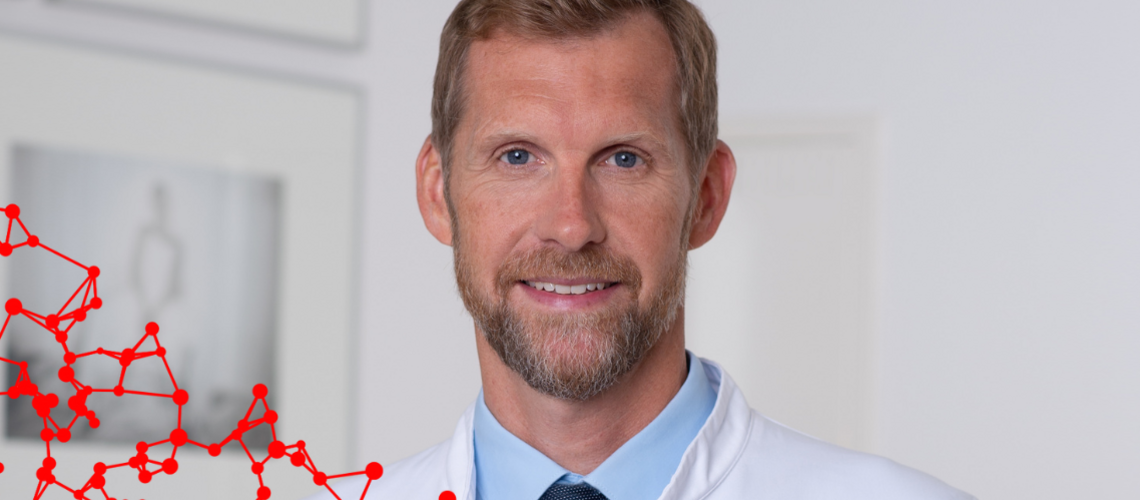
For Leif Erik Sander, Director of the Department of Infectious Diseases and Critical Care Medicine at Charité and a member of EC-EDI's leadership team, prevention is one of the key challenges for the future: stopping diseases at an earlier stage can preserve quality of life while also helping to ease pressure on the healthcare system.
In the new episode of Einstein on Air - Große Fragen, Berliner Antworten, Leif Erik Sander discusses how Berlin-based research is tracing the "fingerprints" of emerging diseases, the role AI plays in this work, and why prevention can mean much more than general health advice.
The podcast is available in German, with English subtitles on YouTube:
Podcast on YouTube